
One product photo, three ad creatives: the Claude Code image editing skill
You have one good product photo and the ad campaign needs three. The Claude Code image editing skill people search for is the Actionway Skill: Claude Code can look at an image but cannot change one, and with the Skill installed it hands your photo plus a sentence to a model that accepts a reference image — Banana Pro at $0.30 per run, GPT Image 2 at $0.15 per run, or Banana 2 at $0.20 per run. Below are the three versions we made from our sneaker photo, with the exact prompt and time for each.
Connect your agent
1. The night-street version
YOU ASK
AGENT REPLIES
Image edit with a reference. Three models in the catalog accept one, priced per run:
You pick: Banana Pro
- Registers the photo as an asset and calls the image service to Banana Pro — it starts as a background job
- Waits on the job; this one finished in 2 minutes 20 seconds
- Downloads the edited image into an outputs/ folder in your project (that is where every generated file lands) next to the original
RESULT
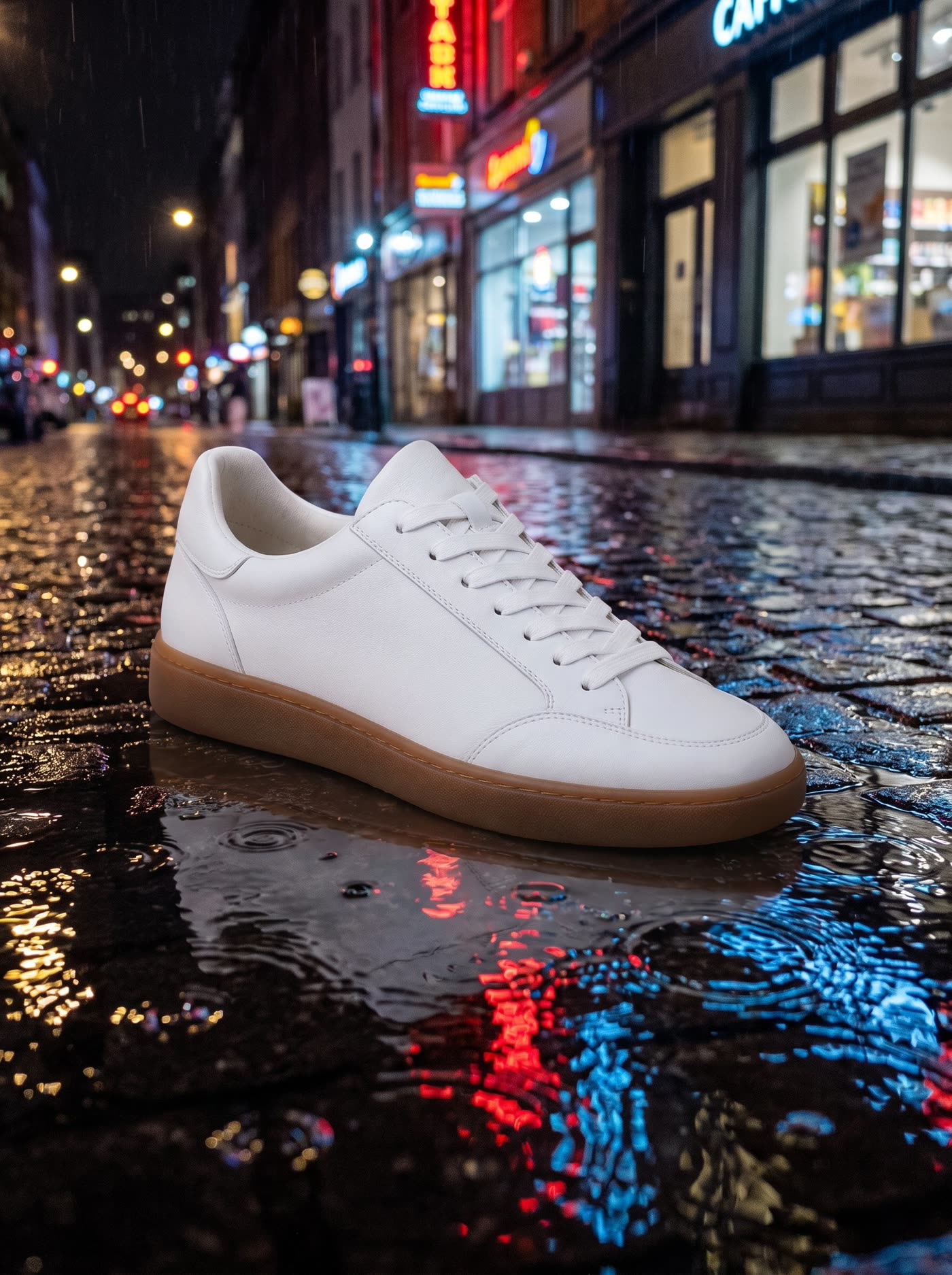
1 run · Banana Pro · $0.30 per run · charged from the wallet after completion
That is a real Claude Code session, unedited. The shoe is the shoe — same shape, same laces, same gum sole — and everything around it is new. "Keep the sneaker itself unchanged" is the phrase doing the work; without it, edit models tend to redesign the product a little while they change the scene.
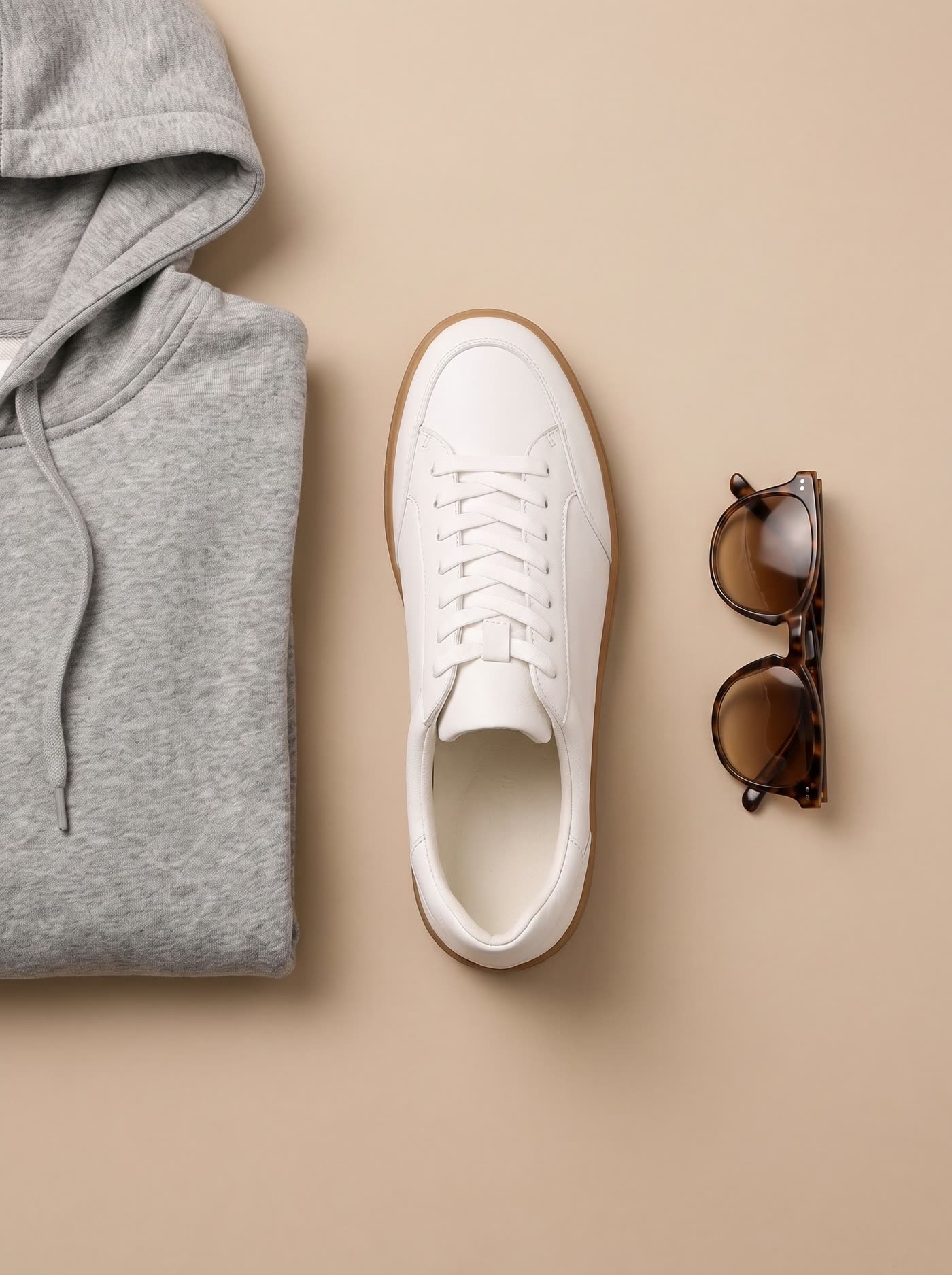
2. The flat-lay version
You ask
Edit outputs/sneaker.jpg: flat lay, top-down: this exact white sneaker on a warm beige surface next to a folded grey hoodie and a pair of tortoiseshell sunglasses, soft studio light, keep the sneaker itself unchanged, no logos, no text
Banana Pro · 2 minutes 25 seconds · $0.30 per run
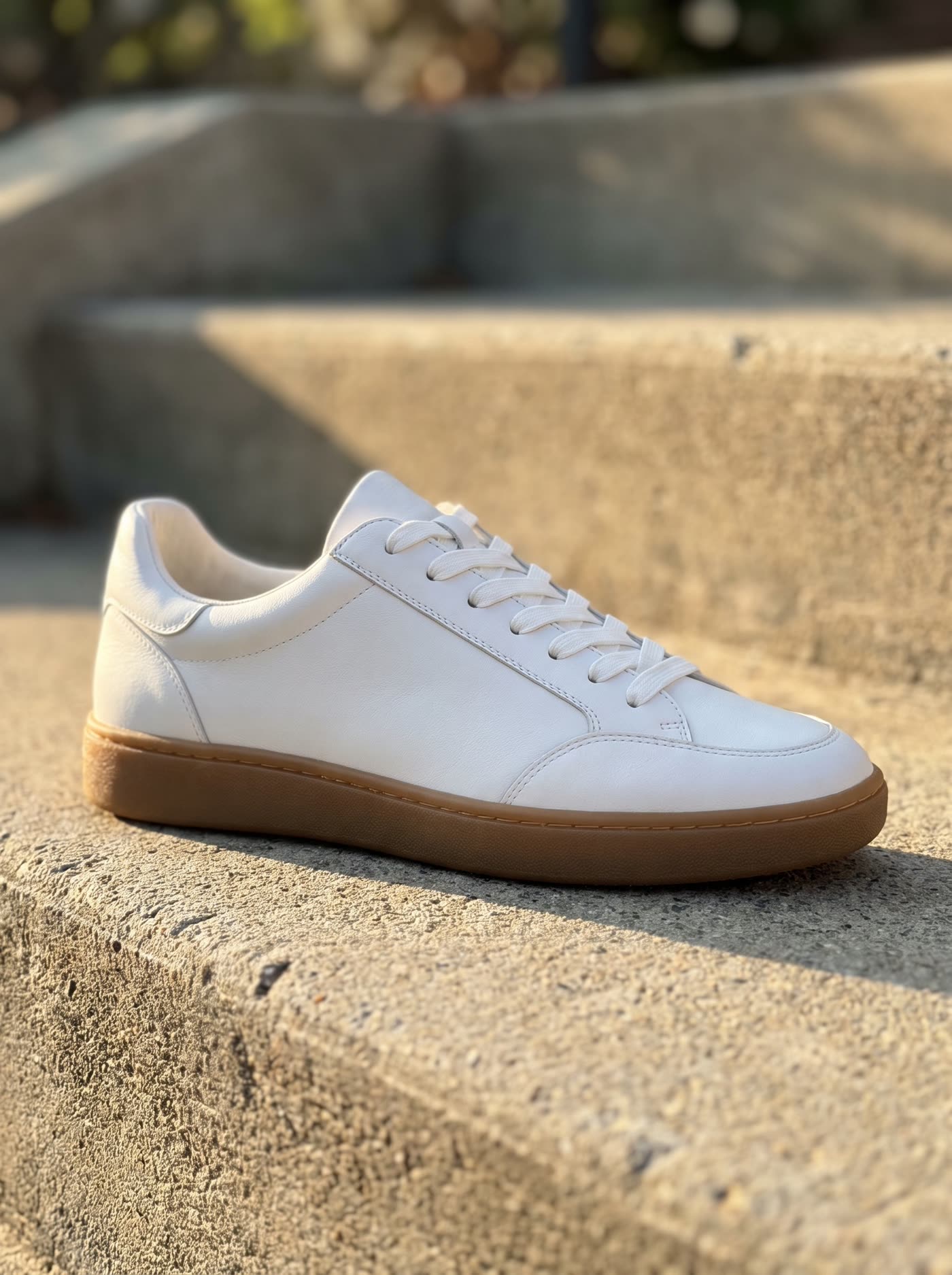
3. The outdoor version
You ask
Edit outputs/sneaker.jpg: this exact white sneaker on a sunlit concrete step outdoors, morning light, shallow depth of field, keep the sneaker itself unchanged, no logos, no text
Banana Pro · 1 minute 13 seconds · $0.30 per run
| Version | What changed | Render time | Price |
|---|---|---|---|
| Night street | background, lighting, camera angle | 2 min 20 s | $0.30 per run |
| Flat lay | angle, props, surface | 2 min 25 s | $0.30 per run |
| Outdoor steps | location, light, focus | 1 min 13 s | $0.30 per run |
Keeping the product the product
Edit models redraw the whole frame, so the thing you must protect is the product itself. Three phrases did that work in every version above: "this exact sneaker" tells the model the reference is the subject, not inspiration; "keep the sneaker itself unchanged" stops it from tidying the laces or slimming the sole; "no logos, no text" stops it from adding lettering, which edit models do to shoes and walls when nothing forbids it. Then describe the scene in one sentence — surface, light, angle — and stop.
Check each result against the reference before you approve a batch. Compare the sole colour, the lace count, the height of the collar, and the stitching line along the toe: those are the details that drift first. A version that drifted is one more run on the cheaper tier, and the agent keeps the reference and the prompt, so the retry is a sentence: "same again, but keep the gum sole".
How the session decides what to run
Claude Code can read an image file and tell you what is in it; producing a changed version is outside what it does. The Skill installed with the CLI closes that gap: before replying, the agent read the capability index the Skill keeps on disk and saw which image models take a reference. That is why the first message already listed three of them with prices — neutrally, no default, no recommendation. Say "you pick" and it takes the best-quality tier. Picking a model is the approval: the run starts at the shown price with no second question, and if the wallet cannot cover it the agent stops before anything is charged and gives you a top-up link with the amount prefilled.
Two families take a reference image, at fixed per-run prices. The Banana models — Banana Pro at $0.30 per run, Banana 2 at $0.20 per run — are built around reference-based edits. GPT Image 2 at $0.15 per run handles generation and edits from precise instructions in one model. For a campaign, run the cheaper tier for the first pass of each idea, then spend on the versions you keep. The video generation services take a reference image too, which is how the same photo becomes a five-second product clip in the same session. Every edit went through Actionway's image generation capability.
Set it up once
npm install --global @actionway/cli@latest
actionway init
mkdir -p "$HOME/.claude/skills"
cp -R "$HOME/.actionway/skill/actionway" "$HOME/.claude/skills/actionway"You need Node.js 20 or newer and an Actionway account; after sign-in the agent tells you your wallet balance and, if it is empty, links you straight to top-up. Prefer a plugin or a Remote MCP server to the command line? Both end at the same catalog and the same wallet — the get started page lists the steps per client side by side.
Questions
Can Claude Code edit images?Not by itself — it can read an image, not change one. With the Actionway Skill installed, the same session hands the image and the change to Banana Pro, GPT Image 2, or Banana 2 at a fixed per-run price and saves the edited file into your project.
How do I keep the product the same and only change the background?Say it in the prompt: "this exact sneaker, keep the sneaker itself unchanged", then describe the new scene. All three versions above used that phrase with Banana Pro, and the shoe came back identical each time while the setting changed.
What does one ad version cost from Claude Code?One edit is one run: Banana Pro at $0.30 per run, Banana 2 at $0.20 per run, or GPT Image 2 at $0.15 per run. Three versions of a product photo cost three runs, billed to your wallet after each completes.